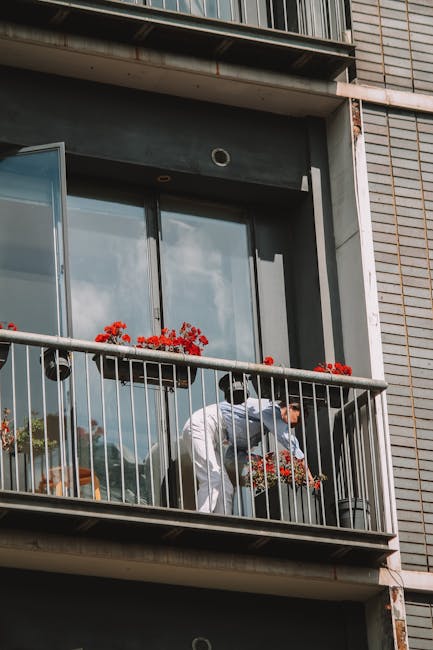
Balcony garden maintenance for Canary Wharf flats
Balcony garden maintenance for Canary Wharf flats is one of those jobs that looks simple from the street, then turns out to be a little more involved once you live with it. Pots dry out faster than you expect, wind funnels between towers, rain can arrive sideways, and a tidy arrangement can go from stylish to scruffy in a week. If you've ever stepped outside on a bright morning near the docks and found leaves scattered, trays overflowing, or a planter leaning a bit too confidently over the edge, you'll know the feeling.
This guide gives you a practical, UK-aware approach to keeping a balcony garden looking good all year round. We'll cover routine care, planting choices, safety, seasonal work, common mistakes, and the kind of maintenance that suits apartment living in Canary Wharf specifically. If you want a balcony that feels calm, healthy, and genuinely enjoyable to use, you're in the right place.
For readers comparing broader outdoor upkeep options, it can also help to look at related services such as garden maintenance, patio cleaning, and hedge trimming, especially if your balcony space connects to roof terraces, shared planting, or nearby courtyard areas.
Table of Contents
- Why Balcony Garden Maintenance for Canary Wharf Flats Matters
- How Balcony Garden Maintenance for Canary Wharf Flats Works
- Key Benefits and Practical Advantages
- Who This Is For and When It Makes Sense
- Step-by-Step Guidance
- Expert Tips for Better Results
- Common Mistakes to Avoid
- Tools, Resources and Recommendations
- Law, Compliance, Standards, or Best Practice
- Options, Methods, or Comparison Table
- Case Study or Real-World Example
- Practical Checklist
- Conclusion
- Frequently Asked Questions
Why Balcony Garden Maintenance for Canary Wharf Flats Matters
A balcony garden in Canary Wharf is not the same as a garden at ground level. The conditions are sharper, the exposure is greater, and the margin for neglect is smaller. That matters because healthy plants, tidy surfaces, and safe containers all depend on regular attention.
In tall residential buildings, balconies often face a mix of wind, reflected heat, shade from neighbouring towers, and limited drainage. That combination can be surprisingly harsh. A plant that looks perfect in a sheltered courtyard may dry out quickly on the 18th floor. Likewise, a decorative pot can become a hazard if it's unstable in a gust. Truth be told, a balcony garden is as much about managing the environment as it is about growing things.
There's also the lifestyle side. Canary Wharf flats are often chosen for their clean lines, modern interiors, and access to a compact outdoor area. If the balcony becomes cluttered, full of algae, or overrun with tired plants, it undermines the whole feel of the flat. Regular maintenance protects the look and feel of the space, which is a big part of why residents invest in balcony planting in the first place.
And then there's the practical side nobody loves talking about: water runoff, loose soil, dead leaves, staining, and pests. Left unchecked, these can create extra cleaning work indoors and extra hassle for neighbours or building management. A bit of structure goes a long way.
Expert summary: Balcony maintenance in Canary Wharf is really about three things: plant health, safe setup, and keeping the space usable. Get those right, and the balcony starts working for you instead of demanding constant rescue.
How Balcony Garden Maintenance for Canary Wharf Flats Works
Good balcony garden maintenance is a repeatable process, not a one-off tidy-up. The basic routine usually includes watering, pruning, feeding, checking containers, sweeping debris, and making small adjustments as the season changes. If that sounds ordinary, it is. That's the point. Consistency beats dramatic intervention almost every time.
Most balcony gardens in flats work best when they follow a simple structure:
- Plants suited to exposure are chosen first.
- Containers and drainage are checked before planting.
- Watering routines are adjusted to wind, sun, and rainfall.
- Pruning and deadheading keep growth manageable.
- Surface cleaning prevents mess and slip risks.
- Seasonal swaps keep the display looking fresh.
In practice, this often means a weekly look-over and a slightly deeper monthly tidy. During hot spells, you may need to check the balcony more often. During colder, wetter months, the job shifts toward protecting roots, avoiding waterlogged compost, and keeping pots stable. Not glamorous, but very effective.
If you're working with a larger planting layout or plan to improve the whole outdoor scheme, it can help to think in layers: structural plants, seasonal colour, and low-maintenance fillers. That approach is common across landscaping services because it creates a stable design that doesn't fall apart after the first windy weekend.
A proper balcony maintenance routine also needs a bit of judgement. For example, a tray beneath a plant may protect the floor from drips, but it can also trap stagnant water if ignored. A plant may look thirsty at noon, but still be too damp at the roots from yesterday's rain. The small checks matter.
Key Benefits and Practical Advantages
There are obvious benefits to keeping a balcony garden in shape, but the less obvious ones are often the most valuable.
- Better plant survival: regular care reduces stress, especially in exposed high-rise settings.
- Cleaner living space: less soil spill, less leaf litter, and fewer muddy footprints indoors.
- Safer balcony use: stable pots and uncluttered walking space reduce trip and wind risks.
- Improved appearance: the balcony stays inviting rather than looking half-abandoned by late summer.
- Lower long-term cost: well-maintained plants and containers usually last longer.
- Better use of limited space: a small balcony can feel surprisingly generous when it is organised properly.
There's also a quiet wellbeing benefit. Many residents use their balcony as the only outdoor pause point in a busy week. A clean chair, some soft planting, and the smell of herbs after watering in the evening can make a real difference. You notice it most on ordinary days, not the fancy ones.
From a practical point of view, regular maintenance also helps you spot problems early. A cracked pot, an unstable planter, powdery mildew, aphids, or blocked drainage can all be dealt with before they become annoying and expensive. That early intervention is often the difference between a balcony that feels easy and one that feels like a chore.
Who This Is For and When It Makes Sense
Balcony garden maintenance for Canary Wharf flats suits a wide range of residents. Some people want a polished outdoor space for entertaining. Others just want a few easy plants and a place to drink coffee without staring at concrete. Both are valid. Very valid.
This kind of maintenance makes sense if you are:
- a busy professional who does not have time for a full garden but still wants greenery;
- a tenant who wants to keep a balcony in good condition without causing issues with the property;
- a homeowner looking to protect the value and presentation of a modern flat;
- someone with a terrace or winter garden that needs regular light-touch care;
- a landlord or letting agent trying to keep the flat attractive between occupancies.
It is especially useful if your balcony faces strong wind, gets full sun for part of the day, or sits in shade for much of the year. Those are all common conditions in tall Canary Wharf developments, and each one changes what the plants need. If you are not sure whether your balcony is best treated as sunny, shady, or exposed, a short observation over a few days usually tells you enough. Morning light, afternoon scorch, and the way rain lands will give the game away.
For people deciding between a simple do-it-yourself routine and occasional professional help, the answer often comes down to time, height, and confidence. If you enjoy pottering on a Sunday morning, you may only need advice and a materials list. If your balcony is high, awkward, or heavily planted, a more structured maintenance approach can save a lot of hassle.
Step-by-Step Guidance
Here is a practical way to maintain a balcony garden without overcomplicating it. Keep it simple, but keep it regular.
1. Start with a quick visual check
Look for drooping plants, fallen leaves, signs of pests, cracked pots, or water pooling. This takes a minute, maybe two. It tells you what needs attention straight away.
2. Check moisture properly
Do not rely only on the surface of the compost. Topsoil can look dry while the roots are still wet. Press a finger into the compost or use a moisture meter if you prefer something a bit more exact. In windy conditions, containers dry faster than people expect.
3. Water with the balcony conditions in mind
Water slowly and evenly so moisture reaches the roots rather than running straight through. In hot weather, early morning or later evening is usually kinder to the plants. In wetter weather, cut back and let the compost breathe. Sounds basic, but it is where many balconies go wrong.
4. Remove dead leaves and spent flowers
Deadheading and tidying spent growth keeps plants energetic and prevents the space from looking tired. It also discourages fungal issues in crowded containers.
5. Prune lightly and regularly
Trim plants before they get awkward. On a balcony, overgrown stems can knock into windows, railings, and seating. Regular light pruning is much easier than a brutal cut-back later on.
6. Feed plants in line with the season
Container plants often need more nutrients than plants in open ground because the soil volume is limited. Use feed appropriate to the plant type, but do not overdo it. Too much fertiliser can push weak, floppy growth. That's not what you want.
7. Clean surfaces and drains
Sweep away soil, leaves, and debris. Check that drainage holes are clear. If your balcony has a built-in drain or scupper, keep it free from obstruction. Water that has nowhere to go always finds a way to be annoying.
8. Reposition containers if needed
If a plant is getting scorched, move it back from the hottest edge. If a pot is becoming unstable in wind, shift it to a more sheltered spot or use a heavier container. This is one of the easiest wins in balcony care.
9. Adjust for the season
Spring is for refresh and replanting. Summer is for watering and containment. Autumn is for tidying, reducing weight, and preparing for rougher weather. Winter is for protection and restraint. Not every plant should be pushed through every season.
Expert Tips for Better Results
There are a few habits that separate a decent balcony garden from one that always seems to look quietly sorted.
Choose the right pot size. Bigger pots hold moisture more steadily and are less likely to topple. Small decorative pots may look nice in a showroom, but on a windy balcony they can be needy little things.
Use quality compost. For containers, compost quality really matters. Cheap, compacted material dries unevenly and can become awkward to manage. A good mix gives roots space, structure, and better moisture retention.
Group plants by needs. Put sun-lovers together and shade-lovers together. It makes watering and care much easier. If you mix them randomly, someone always suffers.
Think about weight. Wet pots are heavier than they look. On balconies, heavy containers can be useful for stability, but you should always be mindful of load and placement. If you are unsure, get professional advice rather than guessing.
Use a simple rhythm. A short weekly routine beats a long rescue mission. Ten quiet minutes after work can do more than a rushed clean-up once a month.
Watch the edges. Canary Wharf wind can whip around corners and between buildings. Plants at the outer edge of a balcony often need the most checking. That is usually where the first damage shows up too.
Keep a spare plant or two. Having one backup for seasonal gaps or sudden losses makes the whole balcony feel more stable. It is a small thing, but it helps.
If your balcony is part of a broader exterior maintenance plan, it may be worth aligning it with lawn care or tree surgery needs elsewhere on the property, so the whole outdoor environment feels coherent rather than patched together.
Common Mistakes to Avoid
Most balcony garden problems are not dramatic. They are just small mistakes repeated a little too often.
- Overwatering: the biggest one. Containers need moisture, yes, but they also need air around the roots.
- Poor drainage: decorative pots without holes or blocked runoff can quickly cause root problems.
- Ignoring wind exposure: flimsy supports and top-heavy planters rarely survive long in exposed flats.
- Choosing plants for looks only: a plant that looks brilliant in the shop may be wrong for the light, height, or weather on your balcony.
- Letting dead growth build up: it makes the space look neglected and can encourage pests or disease.
- Overcrowding: too many plants in too little space can create shading, moisture issues, and constant maintenance.
- Forgetting the floor: dirty surfaces, algae, and standing water are safety issues as much as cleaning issues.
One very common mistake is to create a gorgeous spring display and then hope it can look after itself. It can't. Not in a high-rise setting. The balcony needs a little attention to keep the whole arrangement balanced. To be fair, that is part of the enjoyment for many people. You get to adjust things as the season changes.
Another mistake is buying on impulse. The prettiest plant is not always the right plant. Sometimes the sensible choice is the one that looks slightly less exciting on day one but survives the year without drama. Boring is underrated, honestly.
Tools, Resources and Recommendations
You do not need a shed full of equipment to manage a balcony garden well. A compact, good-quality kit is usually enough.
| Tool or item | Why it helps | What to look for |
|---|---|---|
| Watering can or hose attachment | Controlled watering without splashing | Lightweight, easy pour, suitable reach |
| Secateurs or snips | For pruning and deadheading | Sharp blades, comfortable grip |
| Hand trowel | For potting and top-ups | Small head, sturdy handle |
| Moisture meter | Helps avoid guesswork | Simple, reliable readings |
| Gloves | Protects hands from grit and thorns | Close fit, washable material |
| Soft broom or handheld brush | For cleaning soil and leaves | Stiff enough for debris, gentle on flooring |
| Saucers or trays | Helps manage runoff | Stable, appropriately sized, easy to empty |
As for resources, the most useful one is usually a simple seasonal plan. Write down which plants are on the balcony, where they sit, and what each needs. It saves time later. A phone note is enough for many people. Nothing fancy.
If you are arranging wider outdoor care around the property, a service overview such as landscape gardening can help you understand how planting, structure, and maintenance fit together. For some residents, that makes it much easier to decide whether the balcony should be self-managed or professionally supported.
Law, Compliance, Standards, or Best Practice
Balcony gardening in a flat is not usually a heavily regulated activity in itself, but there are sensible rules and expectations to keep in mind. The most important one is to respect the building's lease, management conditions, and any balcony-specific guidance from the landlord or managing agent. Many apartment buildings have practical requirements around items stored outside, water runoff, fire safety, and alterations to railings or structure.
Do not drill, fix, or attach anything to the balcony without checking permission first. That includes heavy trellis systems, self-watering rigs, or anything that changes the external appearance. In shared developments, appearance rules can matter more than people expect.
Weight is another area to handle carefully. Balconies are designed for use, but every building has structural limits and different tolerances. If you are planning large planters, mature shrubs, or multiple heavy containers, it is wise to seek confirmation from a qualified professional or the building management rather than assuming it will be fine.
Fire safety also deserves proper thought. Keep exits clear, avoid storing combustible clutter, and do not block access routes. If your building has specific balcony safety instructions, follow them. That may sound obvious, but it's the sort of detail people only notice when something has gone wrong.
Finally, try to avoid excessive water runoff, especially if you are above other flats or shared areas. Dripping compost, muddy splashback, and persistent damp patches are the sort of small problems that become neighbour issues very quickly. A few saucers, careful watering, and routine checks usually solve most of it.
Options, Methods, or Comparison Table
Different balcony gardens need different maintenance styles. Here's a simple comparison that may help you decide what suits your flat best.
| Approach | Best for | Pros | Trade-offs |
|---|---|---|---|
| Low-maintenance planting | Busy residents and small balconies | Less watering, fewer tasks, cleaner look | Less seasonal colour, fewer dramatic displays |
| Seasonal rotation | People who like variety | Fresh appearance throughout the year | More planting work and planning |
| Structured maintenance service | Heavily planted or high balconies | Consistency, fewer missed issues, better presentation | Higher cost than doing everything yourself |
| DIY weekly upkeep | Hands-on homeowners or tenants | Flexible, low cost, personal control | Needs discipline and time |
For many Canary Wharf flats, a mixed approach works best: a low-maintenance planting scheme, plus a light weekly routine and occasional professional help for pruning, repotting, or refreshes. That balance keeps the balcony looking cared for without turning it into a second job.
Case Study or Real-World Example
Here's a realistic example. A resident in a mid-height Canary Wharf flat wanted a balcony that felt green but not high-maintenance. The original setup had a few herbs, two trailing plants, and three decorative pots that looked lovely for about six weeks, then got patchy. Watering was inconsistent, the outer pots dried out fastest, and one corner collected dead leaves after windy days.
The fix was not dramatic. The layout was simplified, larger containers were used for the thirstier plants, and the most exposed pot was moved back from the edge. The resident also started doing a quick check every Saturday morning while the kettle boiled. Nothing fancy. Just a sweep, a look at the compost, deadheading where needed, and a reset of the trays. By late summer, the balcony looked calmer, the plants held up better, and the whole space was easier to enjoy.
That is the real lesson here: most balcony garden problems are layout and routine problems, not talent problems. Once the system works, the space starts looking after itself in a much more forgiving way.
Practical Checklist
Use this simple checklist to keep your balcony garden on track.
- Check plants for dryness, droop, or leaf damage.
- Empty any standing water from trays or saucers.
- Sweep leaves, grit, and loose compost from the floor.
- Deadhead faded flowers and remove yellowing leaves.
- Make sure pots are stable and not at risk from wind.
- Confirm drainage holes are open and working.
- Adjust watering based on weather and exposure.
- Inspect for pests, mildew, or mould.
- Trim growth that is getting leggy or overcrowded.
- Keep walkways and exits clear.
- Refresh feeding or compost only when the plants actually need it.
- Review seasonal changes every few weeks, not just once a year.
If you can keep up with most of those points, you are already doing better than many balcony gardens that look fine from a distance but are hanging on by a thread close up.
Conclusion
Balcony garden maintenance for Canary Wharf flats is really about making a compact outdoor space work in a demanding setting. The wind is stronger, the drying conditions are quicker, and the room for error is smaller than in a traditional garden. But once you understand the rhythm, it becomes much more manageable.
Choose resilient plants, keep the containers stable, stay on top of watering and cleaning, and make small seasonal adjustments before problems build up. That's the heart of it. Not perfection, just steady care.
And if you'd rather not leave it to chance, a professional maintenance plan can take the pressure off and keep your balcony looking like part of the home, not a weekend project that keeps winning. A bit of help at the right time can go a long way.
Get a free quote today and see how much you can save.
With the right routine, even a modest balcony can feel like a quiet little retreat above the city - and honestly, that's worth looking after.
Frequently Asked Questions
How often should I maintain a balcony garden in a Canary Wharf flat?
Most balcony gardens benefit from a quick weekly check and a deeper tidy every few weeks. In hot or windy weather, you may need to water and inspect more often. The key is consistency rather than long sessions.
What plants work best on exposed high-rise balconies?
Plants that tolerate wind, brighter light, and drying conditions usually perform better. Choose varieties that suit your actual exposure, not just what looks attractive in the shop. A sheltered balcony and a windy upper-floor balcony are very different places.
How do I stop my balcony pots from blowing over?
Use heavier pots, wider bases, and sensible positioning away from the most exposed edge. Grouping containers can also help. If a pot still feels unstable, move it to a more sheltered spot or use a more solid container.
Can I grow herbs on a Canary Wharf balcony?
Yes, many herbs do well in balcony containers if they get the right light and regular watering. Basil, thyme, rosemary, and mint can work well, though they all behave differently. Mint especially likes a bit of control, otherwise it gets ideas above its station.
Why do balcony plants dry out so quickly?
Wind, sun, and container size are usually the main reasons. Pots dry much faster than ground planting because there is less soil to hold moisture. Dark containers can also heat up more in direct sun.
What is the biggest maintenance mistake people make?
Overwatering is probably the most common issue, followed closely by poor drainage. It often starts from good intentions. People see a droopy plant and add more water when the real issue is something else.
Do I need permission to install planters or trellis on my balcony?
Often, yes, or at least you should check first. Building management or your lease may have rules about attachments, appearance, and safety. It is much easier to ask before fitting anything than to undo it later.
How do I keep the balcony clean without damaging the flooring?
Use a soft broom, avoid harsh scraping, and clean up soil spills quickly before they stain or become slippery. If you water plants, do it slowly so runoff does not spread dirt across the whole surface.
Is professional maintenance worth it for a small balcony?
It can be, especially if the balcony is exposed, heavily planted, or hard to access. Even a small space can be surprisingly demanding if the plants are thirsty or the layout is awkward. Sometimes a little expert help saves a lot of ongoing fuss.
What should I do in winter?
Reduce watering, protect more delicate plants, and check for waterlogging after rain. Winter is also a good time to remove tired growth and simplify the display. Less is often better until spring returns.
How can I make a balcony garden look stylish but still low maintenance?
Use a simple palette of plants, choose larger containers, and repeat a few shapes rather than mixing too many styles. Clean lines and consistent pot choices can make a small space look deliberate and calm, even when maintenance stays fairly light.
What if I only have a very small balcony?
That's absolutely fine. In fact, small balconies often work better because they force you to edit. One or two good plants, a tidy floor, and a couple of thoughtful containers can create a much better result than crowding in too much.