Recycling and Sustainability — Lawn Mowing Canary Wharf
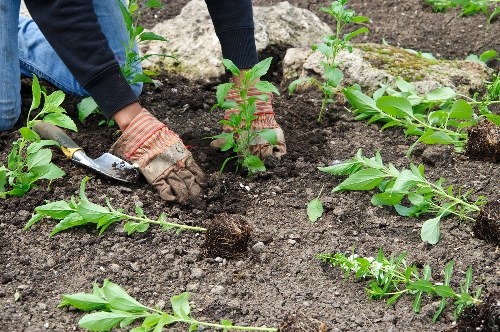 Lawn Mowing Canary Wharf is committed to delivering premium green space management while reducing environmental impact across the Isle of Dogs and neighbouring districts. Our sustainable rubbish gardening area approach puts resource recovery and low-carbon operations at the centre of every visit. We combine Canary Wharf lawn mowing expertise with responsible waste routing so that turf clippings, prunings and general site refuse are handled in line with local borough policies and best practice.
Our operational goal is straightforward: achieve a measurable recycling percentage target across all on-site and transported waste. We have set an ambitious 75% recycling rate for garden and green waste streams within 36 months and a 65% overall diversion from landfill for mixed site waste through segregation, reuse and transfer. This target is supported by ongoing audits, seasonal reviews and performance reporting to ensure our Canary Wharf lawn care services are transparent and accountable.
 We work closely with local authority frameworks and boroughs' approach to waste separation. Tower Hamlets and nearby councils emphasise separate collections for food, paper and card, glass and mixed plastics, as well as dedicated garden waste collections where available. Our teams follow these protocols when we operate in residential estates and communal spaces, and we educate clients about simple on-site separations that increase recycling capture at source.
Eco-friendly Waste Disposal and Transfer Partnerships
To ensure green waste and residual materials are processed correctly we use authorised local transfer stations and licensed facilities. Routine routes include drop-offs to East London transfer points and borough-managed transfer centres that prioritise composting and mechanical biological treatment over landfill. These partnerships reduce journey distances and improve material traceability — vital for any lawncare Canary Wharf offering that aspires to low-impact operations.
Our logistics strategy minimises double-handling: biodegradable bags and segregated containers are loaded directly into low-emission vehicles and taken to the correct facility for each stream. By aligning with nearby transfer hubs we both lower transport emissions and enhance the quality of feedstock destined for commercial composting or anaerobic digestion, turning cuttings and green trimmings into useful soil amendments.
 In addition to transfer station relationships, we maintain a practical recycling checklist for crews: paper/card, plastics, metal cans, glass, wood and garden waste are separated on-site where possible. Small electrical equipment recovered during garden clearances is catalogued and sent to authorised WEEE (Waste Electrical and Electronic Equipment) processors, reflecting our broader commitment to responsible disposal beyond organic streams.
Charity Partnerships and Community Reuse
We actively partner with local charities and community initiatives to give materials a second life. Bulky green waste that can be composted is offered to community allotments and urban farms; intact planters or timber sleepers are donated for reuse in communal gardens. Our charity partners include local food redistribution networks and community gardening groups that benefit from diverted organic matter and gently used garden infrastructure.
Partnership highlights include:
- Compost donations to community allotments and soil regeneration projects
- Rehoming of usable garden furniture and planters to local charities
- Coordination with food redistribution schemes where garden clearances reveal surplus edible produce
 Sustainability in practice also means reducing operational carbon. Our fleet upgrade programme prioritises low-carbon vans, and we now deploy a growing number of electric vans, plug-in hybrids and cargo bikes for short urban hops. These vehicles lower particulate emissions in congested Canary Wharf streets and reduce our overall carbon footprint when compared with conventional diesel fleets.
 Crew training, route optimisation and preventive maintenance support our green fleet ambitions. By combining efficient route planning with cleaner vehicles we shrink emissions per job and improve air quality for residents and workers alike. We also monitor vehicle energy use and continually evaluate new low-emission technologies suitable for urban grounds maintenance.
Beyond transport, we practise source reduction and circular thinking: where feasible we use electric battery-powered tools to reduce noise and fumes, choose biodegradable netting, and favour FSC-certified or recycled timber for borders and planter builds. Waste minimisation is a design choice as much as an operational procedure, and our lawn mowing Canary Wharf teams apply this principle to every contract.
Transparency is important to us. We publish annual sustainability summaries for clients and partners, tracking progress against our recycling percentage target and low-carbon vehicle rollout. Continuous improvement means we will regularly refine targets, expand charity collaborations, and extend our network of transfer station partners to keep materials moving into productive reuse streams rather than landfill.
Choosing Lawn Mowing Canary Wharf for your grounds maintenance means opting for a service that combines high-quality turf care with thoughtful, verifiable sustainability practices. Our integrated approach — from on-site segregation that mirrors borough recycling schemes to delivery of cuttings to composting hubs and support for community reuse — ensures your green spaces are managed responsibly and with a long-term view.
We believe sustainability is practical and measurable: a set recycling percentage target, partnerships with authorised transfer stations, meaningful charity collaborations and a rapidly decarbonising fleet are core to our mission. Together, these actions create a resilient, low-impact model for urban lawn care and make Lawn Mowing Canary Wharf a practical choice for clients who demand both excellence and environmental stewardship.