Lawn Mowing in Canary Wharf

Lawn mowing in Canary Wharf means keeping outdoor turf areas neat, healthy and presentable with a regular cut that suits the grass type, season and use of the space. We focus on practical mowing work for domestic gardens, shared courtyards and managed green areas where a tidy finish matters. Careful cutting, edge definition and sensible scheduling all help lawns stay even and manageable without turning the task into overcutting or rushed trimming.
Our lawn mowing service can be arranged as part of a wider garden care plan or as a one-off visit when grass has grown more quickly than expected. The work may include trimming accessible edges, collecting cuttings where requested and leaving the surface ready for normal use. If you are comparing options, the main question is usually how much ongoing attention the grass needs rather than whether it needs a dramatic change.
For a straightforward quote, use the service details below and get in touch with your preferred timings. If you are planning more than mowing alone, it can also help to view the wider garden services available before you decide on the most suitable scope.
Regular mowing for neat, healthy grass
Regular mowing is the simplest way to keep a lawn looking consistent through the growing season. Cutting too much at once can stress the grass, so a measured approach is usually better than waiting until the lawn becomes difficult to manage. We work with the available condition of the turf and aim for a finish that looks tidy without taking away too much of the blade in a single visit. That approach suits many small and medium outdoor spaces where appearance and upkeep both matter.
Where lawns are part of a broader garden, mowing can be paired with basic finishing work such as strimming awkward margins or neatening the boundary line around paths and beds. The result is often most effective when cutting frequency matches growth rate, especially in warmer periods. If you need a broader maintenance plan, our garden maintenance page gives a wider view of the kinds of ongoing care that can sit alongside mowing.
What a mowing visit can cover
Depending on access and the condition of the lawn, a visit may include a number of practical tasks. These are kept focused on the grass itself, rather than unnecessary extras, so the work stays efficient and easy to plan. Typical mowing-related tasks may include:
- cutting the main lawn area to a sensible height
- tidying the edge lines where the mower cannot reach cleanly
- removing light debris before cutting if needed
- collecting cuttings where this has been agreed
- leaving clear access routes through the work area
Finishing details that make a lawn look cared for

A good mowing result is not only about the cut height. A lawn often looks much sharper when the edges are handled carefully and the mowing pattern is kept consistent. Straight lines can suit formal spaces, while smaller or irregular plots may benefit from a simpler, practical finish that follows the shape of the garden. We can also keep an eye on areas where the grass meets paving, fencing or planting, because these edges often show untidiness first.
Some lawns need attention to the way cuttings are handled. In dry conditions, finely chopped clippings may be acceptable if they do not sit thickly on the surface, while heavier growth may need removal to stop the lawn looking patchy. The right choice depends on the grass length, weather and how the space is used. If you are also considering nearby tidy-up work, our garden clearance page explains the sort of heavier outdoor clearing that is best kept separate from routine mowing.
Useful preparation is simple: make sure the grass area is reachable, move fragile items from the cutting line and flag up any awkward features such as low obstacles, loose surfaces or hidden cables. A short note about how the space is used can also help us judge the most suitable finish. That way, the mowing can be planned around the condition of the lawn rather than forcing the lawn to fit a rigid routine.
One-off grass cuts and seasonal tidy-ups

Not every lawn needs the same level of ongoing attention. Some spaces are maintained regularly, while others only need a tidy cut at certain points in the year. A one-off mowing visit can be suitable after a period of neglect, before guests arrive, or when grass growth has outpaced the usual schedule. In those cases, the aim is to reduce the lawn to a manageable condition without shocking the turf by removing too much in a single pass.
Seasonal mowing often works best when paired with a sensible follow-up plan. If the grass is cut sharply after a long gap, it may look neater straight away but still need shorter, steadier maintenance afterwards. For gardens that also need trimming at the margins or along planted borders, our hedge trimming page is useful for understanding how adjacent growth can be managed without mixing every task into one visit.
Some customers want a simple tidy before a property is shown, while others are more concerned with keeping the lawn usable for day-to-day life. In both cases, the work should stay realistic. A lawn that has become uneven, damp or heavily overgrown may need a careful approach rather than an aggressive cut. If you are unsure how much is appropriate, asking for a quote with a brief description of the grass height and access is usually enough to start.
Combined outdoor care around the lawn
Lawn mowing often sits alongside other light outdoor tasks that improve how the whole garden reads at a glance. This can include modest cutting back of soft growth near the lawn, keeping access routes clear and making sure the main grass area is not being crowded by surrounding plants. We do not treat mowing as an isolated chore when the wider layout affects the final result; the edges, approach and neighbouring growth all contribute to the finish.
For properties where the garden is being refreshed more broadly, it may make sense to review complementary services at the same time. Our landscape gardening page is relevant when the lawn is only one part of a larger outdoor plan, while the wider landscaping page covers more extensive changes to how the space is arranged. Those pages are more suitable when the scope goes beyond routine mowing and into design-led or structural work.
When mowing is part of a larger plan
It is often useful to separate the work into the right stages. Routine mowing keeps the grass manageable, while bigger projects handle layout, surface changes or planting structure. That distinction matters because cutting the lawn does not solve drainage, poor access or uneven boundaries, although it can make the space easier to assess. Keeping the tasks distinct also makes it easier to decide what should be done now and what can wait for a later visit.
Where the lawn is affected by surrounding trees or dense planting, a separate assessment may be needed before deciding how often it should be cut. Shade, falling leaves and restricted light can alter growth habits and the look of the turf. In those cases, it may be useful to look at our tree lopping and removal page for work that sits outside ordinary grass cutting and is better handled as its own task.
About Canary Wharf

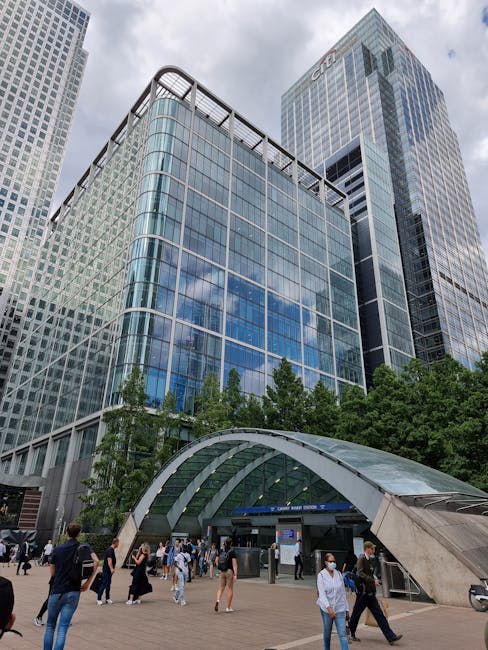
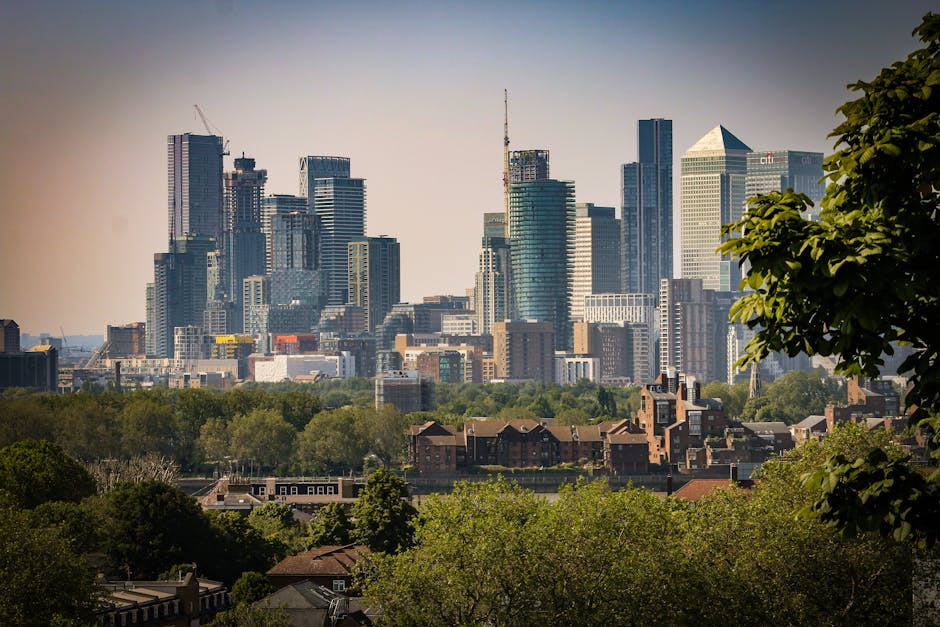
Canary Wharf is a major district in London’s Docklands, on the Isle of Dogs and along the northern edges of the River Thames. Once part of the historic West India Docks, the area was reshaped from the late twentieth century into one of the capital’s best-known commercial centres. Its skyline is defined by tall office towers, glazed facades and transport links that connect the peninsula to the rest of east and central London. The district is closely associated with modern finance, but it also includes public squares, waterside walkways and landscaped open spaces that sit between the towers. Cabot Square and Jubilee Park are among the most familiar open areas, offering planted surroundings within the dense built environment. Water remains a strong feature of the place: dock basins, the Thames and the surrounding canals and quays create clear boundaries and long views. The architecture mixes contemporary high-rise development with traces of older dockland form, including quaysides and routes that reflect the area’s industrial past. Canary Wharf Underground, the DLR and nearby river services give it a distinctly connected feel, while the shopping and dining areas around the estate add a lively daytime rhythm. Although the district is often described through its business identity, it is also a place of public movement, outdoor seating, seasonal events and designed green space, making it one of the most recognisable parts of modern London Docklands.
Choosing the right mowing approach

Different lawns need different treatment, and the best mowing plan depends on how the grass is growing, how often the space is used and what finish you want. Short, frequent cuts suit many maintained gardens, while slower-growing or less-used lawns can cope with a lighter schedule. The key is not to treat every lawn the same. A careful cut preserves the condition of the turf better than an overly short pass that looks tidy for a moment but creates stress later on.
When planning mowing around other outdoor work, it can help to decide which tasks are necessary now and which can be left for later. For example, a lawn cut may be enough on its own if the rest of the garden is already under control, but overgrowth at borders or mixed planting may need wider attention. If pricing is on your mind, our pricing and quotes page is the right place to review how enquiries are handled before you request a quotation.
We are happy to discuss the scope in plain terms: the size of the grass area, how long it has been since the last cut and whether any follow-up tidying is required. That kind of detail helps keep the quote focused and makes it easier to agree the right level of work. Ask for a quote when you are ready, and if you want to see the wider picture first, you can also review our services overview before sending your enquiry.
Practical considerations before a mow
Mowing is usually straightforward, but the details still matter. A lawn that has been left too long may need an initial cut that is more cautious than normal, especially if the growth is patchy or the surface is uneven. Likewise, a very short lawn can be damaged by cutting it too low in dry conditions. A good result depends on knowing when to be firm and when to leave a little more length in place.
Access can also shape the work. Narrow side paths, steps, shared entrances and nearby objects may affect how the mower is brought in and how the grass is finished at the edges. If the space includes a range of boundary materials or surfaces, it is worth mentioning that when you request a quote. You can also review our accessibility statement if you want to understand how site access information is handled on the website side.
Helpful information to include with your enquiry
A short message with a few practical details is usually enough. You do not need to write a long brief, but clear information helps us judge the work correctly and avoids unnecessary back-and-forth. Consider including:
- the approximate size of the lawn area
- how long it has been since the last cut
- whether cuttings should be removed or left
- any access limitations or narrow entry points
- whether the lawn is part of a wider garden tidy-up
Keeping the finish consistent over time
Once a lawn is back under control, consistency matters more than dramatic intervention. Grass generally looks best when the cut is repeated often enough to avoid large swings in height. That keeps the lawn even, makes the work easier to manage and reduces the chance of a rough, scalped finish. Regular mowing also helps create a clearer edge along paths, beds and boundaries, which is often what makes a garden feel properly looked after.
If your outdoor space needs mowing alongside other routine care, combining tasks can reduce the number of separate visits needed without turning every job into a major project. Our garden maintenance page can help you judge whether the lawn should be part of a repeating plan, while the decking services page is relevant if the garden includes timber surfaces that also need separate attention.
For customers who prefer a simple next step, the easiest route is to decide whether the lawn needs regular mowing, a one-off tidy or something that sits within a bigger garden plan. Send a brief description and request a quotation; if the scope is larger, the relevant service pages can help you shape the enquiry before you contact us.
Service boundaries and related work
Lawn mowing is a focused service, so it is useful to be clear about what it does and does not cover. It deals with the grass itself and the immediate finish around it, rather than structural garden changes or major clearance work. That keeps the job efficient and helps prevent unrealistic expectations about what a mowing visit can achieve in a single appointment. When the lawn is only one part of a wider outdoor issue, the right service should be chosen for each part of the job.
For example, if the grass has been hidden by thicker garden waste or mixed debris, mowing alone may not be enough at the start. In that situation, a more suitable first step could be our garden clearance service, followed by mowing once the area is accessible. If the outdoors are being transformed more broadly, you may also wish to compare the options on our landscaping page before deciding how the work should be staged.
Need a quotation? Tell us what the lawn looks like now, what finish you want and whether any related work should be considered at the same time. That gives us a practical basis for quoting accurately and helps you choose the most suitable service from the start.