One Canada Square landscape gardeners office and plaza care
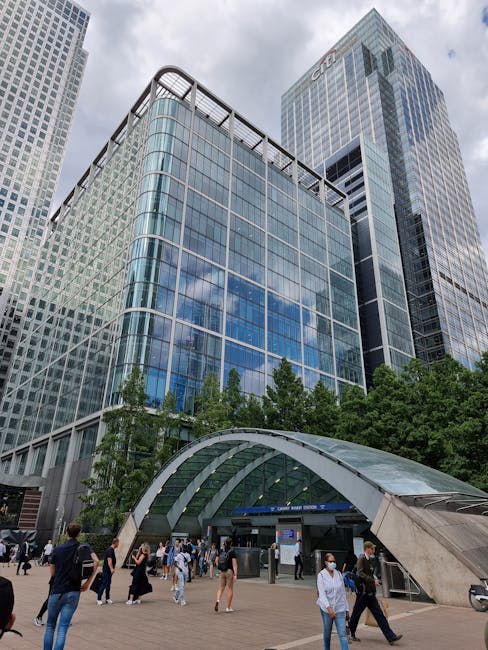
If you manage a busy commercial environment, you already know that planting beds, paved edges, and communal open space do not stay neat on their own. One Canada Square landscape gardeners office and plaza care is really about keeping a high-profile business setting looking calm, well-kept, and professional every day of the week. In a place like Canary Wharf, that matters more than people sometimes realise. A crisp plaza, healthy planting, and tidy circulation areas quietly shape first impressions before anyone even steps through the door.
Good office and plaza care is not just "mowing and moving on." It covers presentation, access, safety, seasonal planting, waste control, and the practical rhythm of maintaining a space that is used by staff, visitors, and contractors all day long. Done well, it feels almost invisible. Done badly, everyone notices. That's the truth of it.
This guide explains what the work involves, why it matters, how to plan it properly, and what to ask for if you are comparing providers. You will also find a step-by-step approach, a useful comparison table, a checklist, and answers to the questions people genuinely ask when choosing a maintenance partner.
Why One Canada Square landscape gardeners office and plaza care Matters
One Canada Square sits in a setting where presentation, foot traffic, and business reputation are tightly linked. A plaza or office frontage here is not a decorative extra; it is part of the experience people have of the building and the wider environment. When planting is well maintained, hard surfaces are clean, and access routes are clear, the whole space feels more confident and easier to use.
That matters for a few very practical reasons. First, high-traffic commercial landscapes wear faster than private gardens. Soil compacts, planters dry out, leaves build up, and paving edges pick up grime surprisingly quickly. Second, office environments need reliable access. Nobody wants a wet, muddy entrance at 8:30 on a Monday or a blocked route when deliveries are arriving. Third, public-facing spaces are judged instantly. People may not say anything, but they notice whether the place feels cared for.
In our experience, the most successful office and plaza maintenance programmes are the ones that treat appearance and functionality as equal priorities. You want planting that looks good, yes, but you also want surfaces that stay safe, planters that do not leak, and maintenance visits that fit around the building's operating rhythm. That balance is the real job.
Expert summary: The best landscape care at a landmark commercial address is steady, predictable, and discreet. It keeps the site usable, polished, and consistent without creating disruption for staff or visitors.
How One Canada Square landscape gardeners office and plaza care Works
Office and plaza care usually follows a maintenance cycle rather than a one-off visit. The exact schedule depends on planting style, footfall, weather exposure, and the expectations of the building manager or facilities team. A sheltered courtyard behaves differently from an exposed plaza. A living planting scheme needs more attention than a low-maintenance hardscape. Pretty obvious, but it is easy to overlook when planning.
Most programmes combine several layers of work:
- Routine presentation tasks such as litter picking, sweeping, edging, and debris removal.
- Soft landscaping care including pruning, deadheading, weeding, watering, mulching, and seasonal planting refreshes.
- Hard-surface upkeep such as clearing algae-prone areas, keeping joints tidy, and removing build-up around planters and seating edges.
- Health and safety awareness so maintenance does not create trip hazards, blocked exits, or slippery residues.
- Planned inspection to spot stress in plants, irrigation faults, damaged containers, or drainage issues before they become obvious.
For larger sites, the work is often split between weekly or fortnightly visits and deeper seasonal work. Spring tends to focus on renewal and planting, summer on watering and steady appearance, autumn on leaf control, and winter on structure, safety, and resilience. It sounds simple enough, but the good operators know that a plaza can change character overnight after one windy evening in Canary Wharf.
Where office landscaping is involved, there is also the human factor. Contractors may need to work quietly around meetings, receptions, and security controls. The best teams plan access carefully, communicate clearly, and keep tools and materials organised. A tidy working method is not a bonus. It is part of the service.
Key Benefits and Practical Advantages
There is a reason well-maintained plaza planting and office landscape areas are taken seriously by building managers. The benefits are visible, but the practical value runs deeper than appearance alone.
1. Stronger first impressions
Visitors form opinions quickly. A clean, structured and healthy landscape suggests attention to detail, which reflects well on the organisations inside the building.
2. Better day-to-day usability
People move through the space more comfortably when paths are clear, edges are defined, and planting is not spilling into circulation areas.
3. Reduced reactive problems
Regular maintenance catches issues earlier. A small irrigation fault, a failed plant, or a blocked drain is much easier to fix before it escalates.
4. Improved staff experience
Green space can soften a commercial environment. Even a modest planter or seating area can make breaks feel more restorative. Let's face it, office days are long enough already.
5. More consistent standards
Scheduled care gives you predictable results. Instead of sudden "tidy-up" panics before a client visit, the site stays ready.
6. Better asset protection
Regular sweeping, pruning, and monitoring help protect paving, fixtures, planters, and nearby finishes from avoidable wear.
| Benefit | What it looks like on site | Why it matters |
|---|---|---|
| Presentation | Fresh planting, neat edges, clean walkways | Supports brand image and visitor confidence |
| Usability | Clear routes, safe surfaces, uncluttered access | Helps staff, visitors, and deliveries move easily |
| Reliability | Planned visits and consistent standards | Reduces last-minute maintenance stress |
| Cost control | Small issues dealt with early | Limits avoidable damage and emergency callouts |
Who This Is For and When It Makes Sense
This kind of maintenance is most relevant for facilities managers, commercial landlords, property managers, building supervisors, workplace teams, and estate operators responsible for a busy office or plaza environment. If your site gets regular footfall, has visible public-facing landscaping, or includes planted areas that need dependable care, this is very likely for you.
It also makes sense when any of the following are true:
- The site receives regular visitors and needs to stay presentable every day.
- Planting is part of the building's identity or tenant experience.
- You have struggled with inconsistent maintenance or missed visits.
- Seasonal plant displays need a sharper, more reliable standard.
- Plaza areas need careful cleaning without disrupting access.
- You want fewer complaints about litter, weeds, or untidy edges.
Sometimes the trigger is not major damage or visible neglect. It is a softer problem: the place simply starts looking tired. You might notice patchy planters, grimy corners, or that slightly neglected look around seating. Nothing dramatic. But enough to nudge the whole environment down a notch. That is often the moment to bring in a proper maintenance plan.
For smaller offices, a lighter schedule may be enough. For iconic towers and busy plaza spaces, the standard needs to be higher and more consistent. There is no shame in that. Different sites need different rhythms.
Step-by-Step Guidance
If you are planning or reviewing office and plaza care, a structured approach will save time and prevent friction. Here is a sensible way to think about it.
- Assess the site honestly. Walk the whole area. Look at entrance routes, planting beds, planters, hard surfaces, drainage points, and any areas where debris gathers.
- Separate presentation from risk. Some issues are cosmetic, others are safety-related. A few leaves near a planter are not the same as a slippery route or obstructed access. Treat them differently.
- Set the standard. Decide what "good" looks like for your building. Is it premium weekly presentation? Seasonal planting? Rapid response after storms? Be clear.
- Choose a maintenance rhythm. Weekly, fortnightly, and seasonal tasks should work together. Offices and plazas usually need more than occasional attention.
- Build the scope in detail. List tasks such as pruning, weed control, leaf clearance, litter removal, watering, edging, and refresh planting where needed.
- Plan around access. Consider busy entry times, security checks, loading bays, and service windows. Good planning prevents awkward interruptions.
- Review performance regularly. The site should be checked against the agreed standard. If the same issues keep returning, the maintenance plan needs adjustment.
A practical example: if a plaza has decorative planters near a main entrance, the plan should not only include watering and pruning. It should also include checks for overflow, staining, loose soil, and any signs that the planter movement could affect the walkway. That little extra attention is where quality shows up.
Expert Tips for Better Results
Good landscape care is often about small decisions done consistently. The flashy work is easy. The careful work is what keeps a site looking sharp through wet weather, wind, and busy weekdays.
Keep watering under control. Overwatering is just as troublesome as drought stress. In a commercial setting, wet surfaces and unhappy plants can appear at the same time, which is not ideal.
Use planting that suits the location. If a plaza is exposed, choose species that can cope with wind and variable light. A plant that looks lovely in a sheltered courtyard may struggle out in the open.
Do not chase perfection at the expense of flow. Extremely dense planting can look impressive, but if it interrupts movement or creates hidden litter traps, it becomes a maintenance headache.
Build in seasonal flexibility. What looks right in May can look exhausted by late August. The best plans adapt, rather than forcing the same look all year.
Keep communication simple. Site teams need to know when work will happen, what areas will be closed, and what has been completed. No one enjoys guessing. Not really.
Ask for proactive reporting. A good contractor does more than execute tasks. They should flag drainage issues, irrigation concerns, or plant decline before those problems become visible to tenants and visitors.
Think like a daily user. Stand in the space at rush hour, not just when it is quiet. You will notice different things: traffic bottlenecks, spill points, surfaces that gleam in the wrong light, and places where debris gathers after lunch.
Common Mistakes to Avoid
Even well-managed sites can run into avoidable problems. Most of them come down to planning, not effort.
- Using a one-size-fits-all schedule. A plaza exposed to weather needs a different rhythm from an interior courtyard or sheltered office frontage.
- Focusing only on visible areas. The corners, drainage lines, and behind-planter spaces often create the mess people later complain about.
- Ignoring seasonal pressure. Autumn leaf fall and summer dryness are predictable. The maintenance plan should not act surprised.
- Leaving access too vague. If contractors are unsure where they can work, visits become slower and less effective.
- Overlooking safety during cleaning. Wet surfaces, unsecured tools, and loose debris can create hazards very quickly.
- Choosing the cheapest option without checking scope. A lower quote can hide omissions. That is a classic trap.
One small but common issue is "maintenance by appearance only." A site may look tidy in the first five minutes, but the deeper problems are still there. Roots pushing at paving, drainage that holds water after rain, or plants that need replacing. The surface story can be misleading. Happens all the time.
Tools, Resources and Recommendations
Reliable office and plaza care depends on the right mix of tools and processes, though the equipment itself is only half the story. The more important resource is a clear service plan with sensible expectations.
Typical tools and resources include:
- Professional-grade mowers or trimming equipment for any grassed or edged areas
- Hand tools for precision pruning, deadheading, and weeding
- Leaf clearance equipment for busy autumn periods
- Watering systems or scheduled hand-watering for planters and seasonal displays
- Waste bags, bins, and sorting methods that keep the site clean and compliant with site procedures
- Inspection checklists for recurring faults, plant stress, and safety concerns
From a management point of view, the best resource is a simple service record. It does not need to be fancy. A clear note of what was done, what was found, and what needs follow-up is often enough to keep everything on track. That kind of record is useful when handovers happen between building teams, too.
If you are comparing service providers, review their services overview so you can see whether their offer matches the scale and type of maintenance your site actually needs. It is also worth checking their pricing and quotes information so you understand how scope is defined, because vague pricing is rarely your friend.
For broader trust and operational detail, the following pages can help:
- about the company
- health and safety policy
- insurance and safety information
- recycling and sustainability approach
- terms and conditions
Law, Compliance, Standards, or Best Practice
For commercial landscape care in the UK, compliance is mostly about operating responsibly, safely, and in line with site requirements. You do not need to turn the whole thing into a legal exercise, but you do need to take it seriously.
Practical best practice usually includes:
- Clear risk awareness for slips, trips, cuts, and moving equipment
- Safe working methods around entrances, shared public space, and occupied office areas
- Proper waste handling in line with the site's procedures
- Insurance and accountability appropriate to commercial work
- Respect for accessibility so work does not block routes or create barriers for users
Where a site has public access, it is especially important that any maintenance activity leaves no hidden hazards behind. Loose cuttings, wet surfaces, unsecured tools, and poorly placed barriers can all create problems. The same goes for timing. Early-morning or low-footfall windows are often the least disruptive, but every site is different.
If you are reviewing a contractor, it is sensible to ask how they handle safety and insurance, and how they manage any issues if something goes wrong. You can also look at their complaints procedure and accessibility statement to get a better feel for how seriously they take user experience and service standards.
And yes, it is reasonable to ask about sustainability too. Responsible pruning waste handling, recycling where possible, and careful use of materials all matter in a dense urban environment.
Options, Methods, or Comparison Table
Different sites need different care models. Here is a simple comparison that helps when choosing the right approach for an office and plaza environment.
| Method | Best for | Strengths | Limitations |
|---|---|---|---|
| Reactive call-out care | Very light use sites or short-term fixes | Quick to arrange for an immediate issue | Can look inconsistent and often costs more over time |
| Scheduled routine maintenance | Most offices and plazas | Predictable, tidy, and easier to manage | Needs a clear scope and regular review |
| Seasonal enhancement plan | Visible commercial frontages and premium spaces | Freshens appearance through the year | Needs planning and good plant selection |
| Full-service grounds care | Large, busy, high-profile properties | Combines presentation, upkeep, and risk control | Usually requires a wider budget and close coordination |
If your space is heavily used and publicly visible, scheduled routine maintenance or a full-service approach is usually the most sensible route. Reactive care can patch things temporarily, but it rarely gives the consistent result you want around a landmark office building.
Case Study or Real-World Example
Picture a weekday morning in Canary Wharf. Staff are arriving in waves, deliveries are being checked in, and visitors are crossing the plaza with coffee in hand. A few leaves have gathered near a planter edge after a windy evening. Nothing dramatic, but enough to make the entrance look a bit tired. A stained patch near the paving line catches the light. A planter corner has started to dry out. Not ideal.
Now compare that with a site that has a planned maintenance rhythm. The leaves are cleared before they become slippery. The planter is checked and watered. The edge detailing is sharpened up. The front of the building feels ordered, even on a grey London morning. It is a small difference, honestly, but a powerful one.
That is the value of consistent office and plaza care. It stops a space from drifting. And once a commercial site starts drifting, bringing it back always takes more effort than keeping it steady in the first place. A bit like keeping up with emails, really - easier said than done, but still worth doing.
In real-world terms, the winning pattern is usually the same: regular attention, clean communication, and a maintenance team that notices detail before the building manager has to point it out.
Practical Checklist
Use this checklist when reviewing or planning one Canada Square landscape care and plaza maintenance. It is simple, but useful.
- Clear scope for planting, paving, and presentation areas
- Maintenance schedule matched to site usage and seasons
- Defined access times and communication with building teams
- Routine litter, leaf, and debris removal
- Weed control and edging around hard and soft landscape areas
- Pruning, deadheading, and plant health checks
- Watering plan for planters and seasonal displays
- Drainage and slip-risk awareness after wet weather
- Waste removal and responsible disposal process
- Insurance, safety, and escalation process confirmed
- Regular review of what is working and what is not
- Clear contact route for urgent issues and service updates
Quick takeaway: If the site looks good, works smoothly, and stays safe without constant firefighting, the maintenance plan is probably doing its job. If not, the plan needs tightening up.
Conclusion
One Canada Square landscape gardeners office and plaza care is about much more than keeping things tidy. It supports the image of the building, helps people move safely and comfortably, and keeps a busy commercial environment feeling managed rather than merely reacted to. In a high-profile place, that steadiness counts.
The best results usually come from a clear scope, a realistic schedule, and a team that understands the pressure of working in a live office setting. No drama. No guesswork. Just careful, consistent care that does the invisible work of making a place feel right.
When a plaza is calm, clean, and well kept, people notice without really noticing. That's the goal, really. Quiet competence. And on a busy London site, that can make all the difference.
If you are reviewing your current arrangements or planning a better standard for your building, start with scope, safety, and consistency. The rest tends to follow from there.
Get a free quote today and see how much you can save.
You can also explore more about the team, their approach, and service details through the contact page, which is a sensible next step if you want to discuss your site properly.
Frequently Asked Questions
What does One Canada Square landscape gardeners office and plaza care usually include?
It typically includes planting maintenance, litter and debris removal, edging, pruning, watering, weed control, seasonal refreshes, and keeping access routes clean and safe. The exact scope depends on the site layout and how busy the area is.
How often does a plaza area need maintenance?
For busy commercial sites, regular visits are usually needed, often weekly or fortnightly, with extra seasonal attention. Leaf fall, weather exposure, and foot traffic all affect the schedule. A site in constant use needs more than occasional attention.
Why is office landscape care different from private garden care?
Commercial spaces have higher footfall, stronger presentation demands, and more safety considerations. Work also needs to fit around business operations, security, and visitor flow. It is a different rhythm altogether.
Can landscape care be done without disrupting staff and visitors?
Yes, provided the work is planned properly. Good contractors schedule visits around busy periods, keep tools organised, and communicate clearly about access. Disruption should be minimal if the plan is sensible.
What are the biggest risks in plaza maintenance?
The main risks are slips, trips, blocked access, plant decline, poor drainage, and litter build-up. A tidy-looking site can still hide safety issues, so regular checks matter.
How do I know if my current maintenance plan is not good enough?
If the site keeps looking tired, the same issues return each week, or you are constantly reacting to complaints, the plan probably needs improvement. Consistency is the giveaway.
Is seasonal planting worth it for a commercial plaza?
Often, yes. Seasonal planting can lift the whole environment and keep the space feeling fresh through the year. It works best when the design suits the site and the maintenance team can support it properly.
What should I ask before hiring a provider?
Ask about scope, frequency, access arrangements, safety procedures, insurance, waste handling, and how they report issues. You may also want to review their insurance and safety information before making a decision.
Does sustainability matter in office and plaza care?
Yes. Responsible waste handling, sensible watering, and careful material use all make a difference. Sustainable practices are especially relevant in a busy urban setting where waste and resource use add up quickly.
How can I compare quotes fairly?
Compare the scope, visit frequency, response times, and what is excluded as well as what is included. A lower quote is not always better if key tasks are missing. Review the pricing and quotes details carefully.
What if I need to raise a service issue?
If something goes wrong, a clear complaints route is useful. Good providers should make it easy to raise concerns and resolve them fairly. You can check the complaints procedure to understand how they handle issues.
How do I start if I have no current maintenance plan?
Start with a site walk, define the key areas, decide the standard you want, and then ask for a structured proposal. If needed, contact the team through the contact page and outline the size, use, and priorities of your site.